
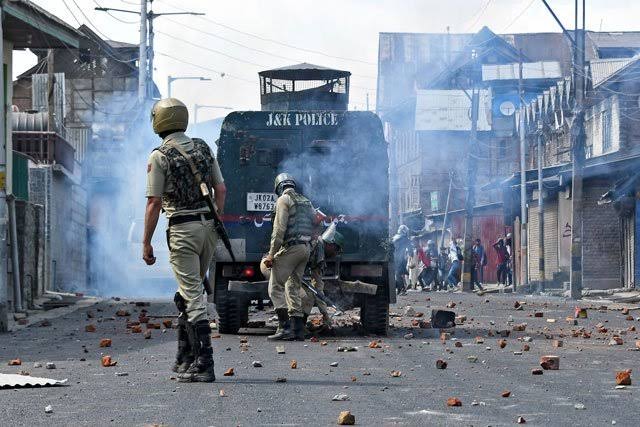
Amid criticism over allegedly using brute force in PoK and the killling of at least 90 civilians, Pakistan Tuesday introduced sweeping new regulations on foreign journalists, requiring them to obtain government permission before traveling beyond the country’s three largest cities for reporting assignments.
Islamabad had earlier banned international media organisations like Al Jazeera over its reportage on PoK accusing it of “selective reporting” and “yellow journalism”. Multiple media reports have also stated that even domestic journalists in Pakistan were not allowed to travel to Muzaffarabad or Rawalakot regions of PoK to report on the ongoing clashes.
Under the new Foreign Media Facilitation Guidelines, 2026, issued by the Ministry of Information and Broadcasting, accredited foreign correspondents must now secure a no objection certificate (NOC) before undertaking professional travel outside Islamabad, Lahore and Karachi.
The policy establishes a new regulatory framework governing the registration, accreditation and movement of foreign media organisations and their personnel in Pakistan, expanding the government’s oversight of international news coverage, local media reported.
The restrictions extend well beyond foreign correspondents. They apply to international print, television and digital news organisations, freelancers, documentary filmmakers, media owners, fixers, production crew and other personnel working with overseas news outlets in Pakistan.
The government has also made registration mandatory for anyone working with a foreign media organisation. Applications must be submitted through the External Publicity Wing’s online registration and accreditation portal.
Pakistani journalists living abroad who contribute to international media organisations will also be required to register. Their applications must be routed through Pakistan’s diplomatic missions, including embassies, high commissions and consulates.
According to the guidelines, journalists accredited through the ministry’s External Publicity Wing must obtain prior approval before traveling to other parts of the country to produce news reports, documentaries, films, video content or material for digital and social media platforms.
The only exception applies to personal travel to the hill stations of Abbottabad and Murree, for which, journalists may obtain travel clearance from the ministry within three working days of travel.
Registration and accreditation for foreign media have also been separated into two distinct processes. After registering, journalists seeking official press credentials must file a separate application for accreditation through the ministry’s online portal.
The guidelines establish two categories of accreditation: Annual credentials for resident foreign correspondents; and temporary accreditation, valid for up to three months, for visiting journalists.
Those granted accreditation will receive an External Publicity Wing press card, allowing facilitated access to official press events and government offices. Journalists will be required to present the card upon request by authorised officials and return it when it expires, if they change employers or if their accreditation status is altered.