
The World Health Organization (WHO) has allocated US$175,000 in emergency funds to strengthen essential health services in Sri Lanka following the devastating impact of Cyclone Ditwah, which struck on November 28 and caused widespread destruction across all 25 districts.
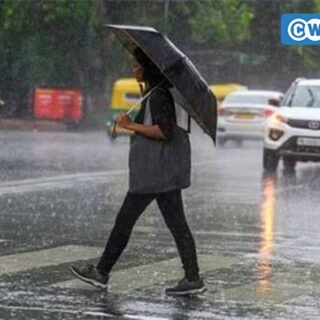
The cyclone triggered severe flooding, landslides, and extensive infrastructure damage, resulting in casualties, mass displacement, and disruption of critical services. In response, WHO is working closely with national authorities and humanitarian partners to deliver life-saving interventions to millions of affected people.
“These funds will be used for rapid response teams to support essential health services for affected communities, and for strengthening health information management and surveillance—crucial for timely detection of disease outbreaks and effective response,” said Dr. Rajesh Pandav, WHO Representative-designate to Sri Lanka.
The emergency allocation, partly drawn from the South-East Asia Regional Health Emergency Fund (SEARHEF), will cover operational costs for deploying Rapid Response medical and public health teams.
These teams will provide on-site trauma care, first aid, hospital referrals, and specialized attention for pregnant women, children, and the elderly. They will also assess medical needs, water quality, sanitation, food safety, and environmental health risks.
As the lead agency for health sector response, WHO is supporting a Joint Rapid Needs Assessment to guide the government-led recovery plan. Dr. Pandav emphasized that continuity of essential services, disease surveillance, and resource mobilization remain central to WHO’s mission.
Sri Lanka has declared a state of emergency and appealed for international humanitarian assistance, requesting support across multiple sectors, including food security, livelihoods, agriculture, nutrition, education, water, sanitation, shelter, and early recovery interventions.
“WHO remains fully committed to supporting the national response and safeguarding the health and wellbeing of all affected communities,” Dr. Pandav affirmed.