
Since January 1, Chinese citizens have been required to pay a 13% sales tax on contraceptives, including condoms, birth control pills, and devices, as part of the country’s broader tax reforms. The measure comes as China seeks to raise its declining birth rate, while childcare services remain exempt from the tax.
The reform, announced late last year, repeals many long-standing tax exemptions in place since 1994, marking a continuation of the country’s shift away from the decades-old one-child policy. Under the new policy, marriage-related services and eldercare are exempt from value-added tax, and authorities aim to incentivize childbearing through extended parental leave and cash vouchers.
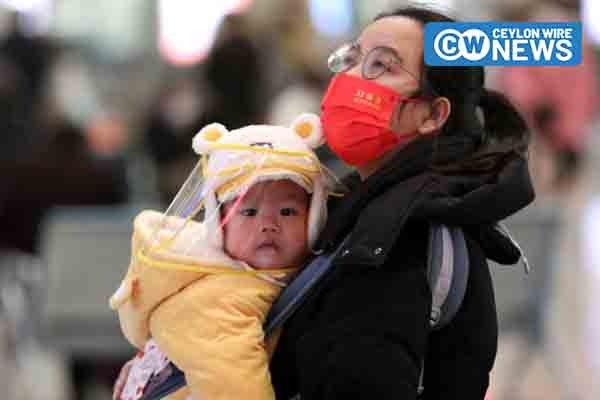
Facing an aging population and a slowing economy, China is taking steps to encourage young people to marry and for couples to have children. The country’s population has declined for three consecutive years, with only 9.54 million babies born in 2024—about half the number of births recorded a decade ago.
The contraceptive tax has sparked concerns over unwanted pregnancies and potential rises in HIV rates, with critics arguing that raising the price of condoms is unlikely to meaningfully influence fertility. Experts note that the cost of raising a child in China far exceeds the price of birth control, making the measure largely symbolic.
According to Henrietta Levin of the Center for Strategic and International Studies, the tax on contraceptives reflects China’s ongoing efforts to encourage higher fertility, even as the country grapples with one of the lowest birth rates in the world.