
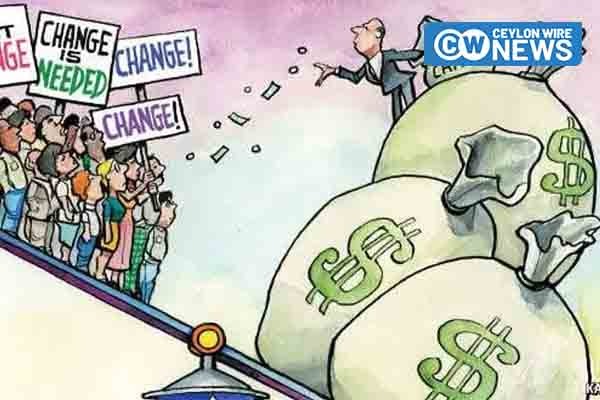
A new report by the United Nations has warned that the gap between wealthy and developing nations is continuing to widen, as many countries fall behind on commitments to the 2030 Sustainable Development Goals.
The report, which evaluates progress on the “Seville Commitment” adopted in Seville last year, was released ahead of the upcoming spring meetings of the International Monetary Fund and the World Bank in Washington.
IMF Managing Director Kristalina Georgieva noted that while global growth may improve, ongoing geopolitical tensions—particularly the Iran conflict—have cast uncertainty over the global economic outlook.
Li Junhua warned that rising geopolitical pressures are making it increasingly difficult for developing countries to secure financing.
The report highlighted several contributing factors to the widening gap, including increased trade barriers, climate-related shocks, and declining development aid.
At the Seville summit, global leaders agreed on measures to address an estimated $4 trillion annual financing gap, including boosting investment in developing nations and reforming global financial systems.
However, Antonio Guterres criticized existing financial institutions, stating that their policies have disproportionately benefited wealthier nations while leaving poorer countries burdened with debt—especially in the aftermath of the COVID-19 pandemic.
The report also revealed that 25 countries reduced development aid in 2025, with the largest cut coming from the United States. Further declines in aid are expected in 2026.
Additionally, tariffs introduced under the Trump administration have significantly impacted developing economies, with export tariffs for the poorest countries rising sharply.
The UN emphasized that despite challenges, the Seville Commitment remains the most viable path to closing the growing global inequality gap.