

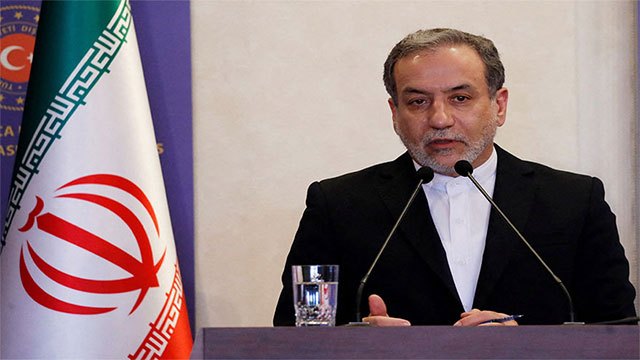
Iranian Foreign Minister Abbas Araghchi says “no tangible progress” has been made in negotiations aimed at ending the Middle East conflict, as fresh attacks involving the United States and Iran place increasing pressure on an already fragile ceasefire.
Speaking on Wednesday (03), Araghchi said communication channels between Tehran and Washington remain open, but negotiations have yet to produce meaningful outcomes.
The latest tensions escalated after Kuwaiti authorities reported that an Iranian drone strike targeted a passenger terminal at Kuwait International Airport, killing one person and injuring 63 others.
Kuwaiti military officials described the incident as an act of “criminal Iranian aggression,” while India’s Foreign Ministry confirmed that the individual killed was an Indian national.
However, Iran’s Revolutionary Guards denied responsibility for the strike, claiming the incident resulted from a malfunction involving American Patriot missile systems attempting to intercept Iranian projectiles.
Despite the renewed hostilities, U.S. President Donald Trump struck an optimistic tone, saying discussions with Iran could produce results “over the weekend.”
“I hear the negotiation itself is going very well, actually,” Trump told reporters at the White House.
Trump also stated that he wants negotiations related to the conflict between Israel and Hezbollah in Lebanon to remain separate from broader discussions between Washington and Tehran, although Iran continues to insist the issues are interconnected.
Meanwhile, U.S. Secretary of State Marco Rubio said Iran’s stockpile of highly enriched uranium remains central to negotiations, while Washington continues to demand that Tehran reduce nuclear activities and reopen the Strait of Hormuz as part of any broader settlement.
Araghchi warned that any Israeli strike on Beirut as part of military operations against Hezbollah could trigger a wider escalation.
“Any attack on Beirut will have grave consequences and will lead to a full-scale resumption of the war,” he warned.
Israeli Prime Minister Benjamin Netanyahu also issued a warning to Tehran, accusing Iran of “playing with fire.”
The latest developments represent one of the most serious challenges so far to the April 8 ceasefire, which paused more than a month of conflict triggered by U.S.-Israeli strikes on Iran.
Meanwhile, Kuwait temporarily suspended air traffic and diverted incoming flights following the airport incident before later resuming operations.