
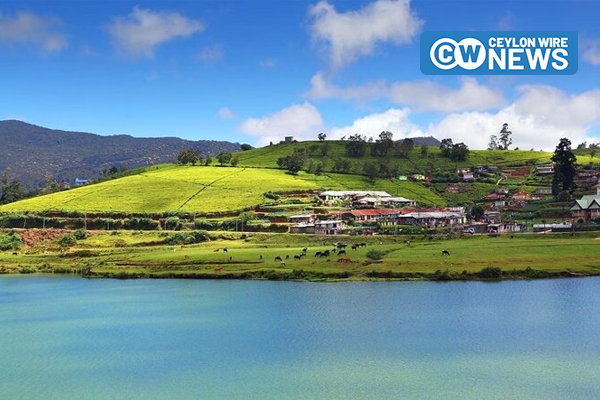
The water quality in Nuwara Eliya’s iconic Gregory Lake has deteriorated to a level that presents severe potential risks to human health if consumed. The alarming findings were officially presented by the Central Environmental Authority (CEA) during a recent District Development Committee meeting, prompting urgent warnings from environmental officials and regional authorities.
Addressing the committee, Nuwara Eliya District Coordinating Committee Chairman and Member of Parliament Manjula Suraweera Arachchi revealed that the historical water body is currently in a state of critical environmental stress. Originally engineered during the British colonial era, the lake was designed to receive water from an interconnected system of smaller upstream reservoirs. However, decades of severe silting in these feeder reservoirs have eliminated their natural buffering capacity, allowing unchecked runoff from surrounding agricultural operations to flow directly into the lake.
This continuous influx of chemical fertilizers, pesticides, and other agricultural waste has fundamentally altered the chemical composition of Gregory Lake. Laboratory testing conducted by the CEA revealed that phosphate levels within the water have surged to 1.04 milligrams per liter—more than five times higher than the standard safe baseline level of 0.20 milligrams.
Lawmakers have cautioned that the rapid degradation of the lake’s ecosystem demands immediate intervention. Without swift remedial measures to restore water quality, the ongoing pollution threatens to inflict lasting ecological damage on the surrounding habitat while exacerbating public health risks for the local community.