
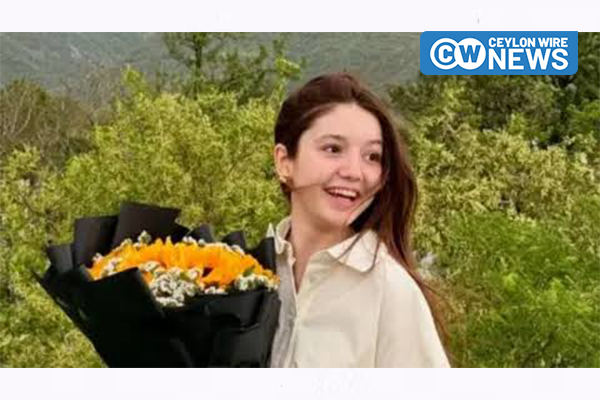
On Pakistan’s Independence Day, August 14, 2025, across the world people saw a viral CCTV footage where two gunmen on a motorcycle opened fire at the car in Taxila, near Islamabad. This brutal shooting was in fact the captured killing of 28‑year‑old TikToker Shamsu Bibi, better known as Ayesha Gilamana. She had around 1.3 million followers on TikTok and had been making videos for three to four years. She also had about 176,000 subscribers on YouTube. A bullet struck her neck, killing her instantly. Initially believed to be the work of unidentified assailants, the case took a dramatic turn last week when police arrested five suspects, including her father and brother who have confessed to orchestrating the murder as an honor killing, disapproving of her independent social media presence.
Gilamana’s murder was the fifth killing of a female influencer in 2025. Just weeks earlier, on August 1, Muhammad Naseer Jutt of Sahiwal killed his niece, also a TikTok creator, in the name of honor. In March, another influencer, Sana Javed, known online as OutLofara, was murdered by her husband near a shopping mall in Islamabad. The suspect, a dismissed police constable, shot her before turning the gun on himself. These killings underscore how women’s digital presence often provokes violent backlash in Pakistan’s conservative society.
These killings continue despite the outrage that followed the brutal killing of 17-year-old TikToker Sana Yousaf who was gunned down in her house in the federal capital, just a year ago. Yousaf had over 1 million followers on various social media platforms, with more than 800,000 on TikTok, where she shared a video celebrating her 17th birthday last week. She frequently shared lip-sync videos and promoted beauty products on the video-sharing platform. The incident occurred when the 22-year-old man came to her residence after having been turned down repeatedly, and opened fire, shooting her twice in the chest before fleeing the scene.
For many women in Pakistan, Sana’s became a reminder of the widespread violence, harassment, and abuse women suffer in public and in online spaces in the conservative Muslim nation of 240 million people. Women in Pakistan were enraged by the violent killing of a teenage social media influencer.
Her death sparked outrage and protests, with women’s rights groups calling it a chilling reminder of the dangers faced by girls who assert autonomy online. As Maheen Pracha of the Human Rights Commission of Pakistan observed, “The murder is a chilling reminder of the dangers that women and girls face when they assert autonomy over their lives and choices.” Yet despite marches and public anger, the killings continue.
Earlier in January 2025, a father in Quetta murdered his US‑born teenage daughter for posting TikTok videos. The family had lived in the United States for 25 years before returning to Pakistan, and the father claimed her content was “objectionable.” In October 2024, four female members of a family in Karachi were killed by their son and brother, Muhammad Bilal Kutchi, who confessed to murdering them over their TikTok activity, which he deemed “immodest.” These cases reveal how patriarchal notions of honor are weaponized against women who embrace digital self‑expression.
Prior to that in July 2025, Rawalpindi police arrested a man for shooting his 16‑year‑old daughter, Mehek Shahzadi, after she refused to delete her TikTok account. Such killings highlight the intersection of patriarchal control and hostility toward women’s digital independence. According to the Human Rights Commission of Pakistan, 346 people were victims of honor crimes in 2024, with women disproportionately targeted. Most victims are killed by close relatives, underscoring the intimate nature of this violence.
The problem is compounded by Pakistan’s uneasy relationship with social media platforms. TikTok, with over 54 million users in the country, has been repeatedly banned for “obscene content.” Authorities frame women’s visibility online as a moral threat, reinforcing the cultural stigma that fuels violence. As gender studies professor Farzana Bari warns, “If we can’t make this social media space safer for women, then it will be another kind of exclusion taking place in our society. The killings manifest the patriarchal mindset, which is misogynistic. It is unwilling to accept women as independent human beings who have the right to say no.”
Beyond physical violence, women influencers face relentless online harassment. Fashion and feminism blogger Mahnoor Rahim, with 148,000 Instagram followers, describes being stalked and receiving death threats simply for existing online. She notes that backlash often comes not only from men but also from women conditioned to police each other rather than hold men accountable. “We get hate all the time. In the comments, the DMs – death threats. What did I even do to receive that kind of hate? I’m just living. I’m just existing in my own skin,” she says. This culture of silencing women online mirrors the offline violence they endure.
In Pakistan, self‑expression and economic independence in digital spaces increasingly come at the cost of threats, privacy violations, and social backlash that often escalate into real‑world violence. Women who are visibly active online—whether discussing politics, society, or simply claiming their own space—are judged as threats to religious and cultural values.
Activist Maham Tariq of the Aurat Azadi March explains that women’s digital presence is framed as immoral or un‑Islamic, making harassment appear “deserved.” In this logic, attacking women becomes a form of social or religious duty. The consequences are devastating: self‑expression and economic independence in digital spaces expose women to threats, privacy violations, and sometimes fatal violence.
These heart‑breaking killings highlight the urgent need for societal transformation. Legal reforms alone cannot stem the tide unless accompanied by cultural change that promotes tolerance, respect, and acceptance of women’s visibility. As Pakistan’s digital landscape expands, with millions of women participating in TikTok and Instagram, the absence of robust safety infrastructure leaves them vulnerable to doxxing, hacking, and physical assault during offline collaborations. Without systemic protection, every act of female self‑expression risks becoming a trigger for violence.
The trajectory of violence is starkly illustrated by the 2021 Independence Day assault in Lahore’s Greater Iqbal Park, when disturbing videos showed a crowd of 300 to 400 men harassing and assaulting a female TikToker and her companions as they filmed near Minar‑i‑Pakistan. The FIR recorded that the group was “attacked” by hundreds of men in broad daylight. Five years later, despite national outrage at that incident, the situation has only worsened. Independence Day itself has become a grim marker of violence against women influencers from the 2021 assault to the 2025 killing of Ayesha Gilamana underscoring how little progress has been made in securing women’s right to visibility, autonomy, and safety in Pakistan’s digital and public spaces.