

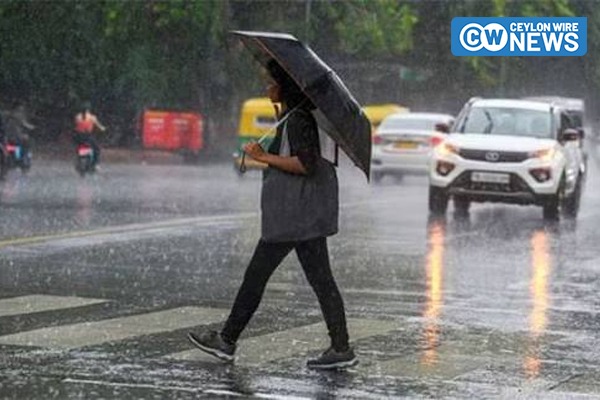
The Irrigation Department has warned the public to remain alert to possible flash floods, cautioning that intense rainfall over short periods could cause sudden flooding in several parts of the country.
Director of the Hydrology and Disaster Management Division of the Irrigation Department, Engineer L. S. Sooriyabandara, urged residents living near rivers and in low-lying areas to closely monitor rainfall conditions. Motorists and other road users have also been advised to exercise caution.
He said significant rainfall could occur over the next few days and called on the public to follow weather forecasts and warnings issued by the Irrigation Department, the Department of Meteorology and other relevant authorities.
Providing an update on recent rainfall, Sooriyabandara said the Ampara District recorded the highest rainfall during the previous 24 hours, with approximately 130 mm.
Heavy rainfall was also reported in the Galle and Matara districts, particularly in the Gin and Nilwala river basins. The Kalu and Kelani river basins, along with areas in Ratnapura and Kalutara, also experienced considerable rainfall.
Several locations in the Kegalle, Matale and Kandy districts recorded between 50 mm and 100 mm, while moderate rainfall was reported in many other parts of the island.
River Water Levels and Flood Conditions
According to the latest assessments, the lower reaches of the Nilwala River continue to experience minor flood conditions, particularly around Akuressa, Malimbada and Kadduwa. However, water levels are gradually declining.
Minor flooding has also been reported around Baddegama and nearby areas along the Gin River, while water levels in its upper reaches are continuing to recede.
The Kalu River remains at minor flood levels around Millakanda and the Kuda Ganga. Although slight increases have been recorded at several locations near Kalutara, the department has not identified signs of a major flood situation.
Water levels in the Kelani River remain relatively high but are gradually decreasing. The Attanagalu Oya is also approaching minor flood levels, although its water levels are receding.
A moderate rise has been observed in the Maha Oya around Badalgama, but no significant flood threat has been identified. Meanwhile, water levels in the Mahaweli River at Nawalapitiya and Peradeniya remain below dangerous levels.
Despite the gradual decline in water levels across several river basins, Sooriyabandara warned that sudden, intense rainfall could still trigger flash floods, even in locations where river levels are currently not critical.
He highlighted the rainfall in Ampara, where approximately 130 mm was recorded within just two hours yesterday, as an example of the risks associated with intense downpours.
The Irrigation Department has urged people living in flood-prone and low-lying areas, particularly those close to rivers, to remain vigilant and take necessary precautions. Motorists have also been advised to stay informed about local rainfall conditions and follow official warnings.