
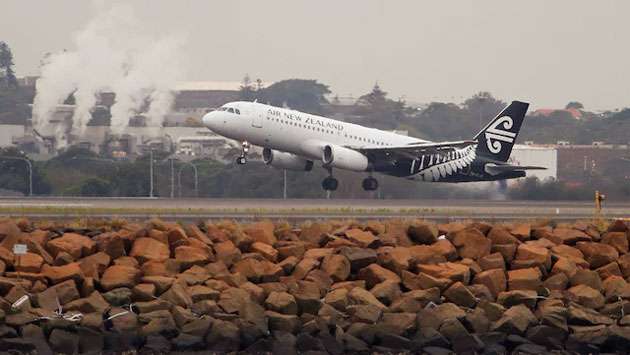
Air New Zealand has announced that it will reduce around 5% of its flights — approximately 1,100 services — through early May, citing rising jet fuel prices triggered by the ongoing conflict involving Iran.
The airline stated that the surge in fuel costs has disrupted operations across the global aviation sector. As a result, several airlines including Qantas Airways, Scandinavian Airlines (SAS), and Thai Airways have also announced airfare increases this week.
The conflict in the Middle East has forced many airlines to cancel flights to and from the region or reroute aircraft, as drone and missile attacks have restricted large portions of airspace. Industry analysts describe the situation as the most serious crisis for global aviation since the COVID-19 pandemic.
Oil prices climbed further on Thursday after reports that Iranian explosive-laden boats struck two fuel oil tankers, adding to concerns about global supply disruptions. Iranian officials also warned that oil prices could reach $200 per barrel if tensions escalate.
According to Air New Zealand CEO Nikhil Ravishankar, about 44,000 passengers out of the 1.9 million scheduled to travel before early May will need to be reaccommodated due to both domestic and international flight reductions.
Airports serving locations such as Marlborough, a well-known wine region, and New Plymouth on New Zealand’s west coast are expected to experience reduced flight services in the coming weeks.
However, the airline indicated that long-haul flights will see fewer cuts, particularly routes to the United States, which have become increasingly popular as alternative transit points for travelers heading to Europe while avoiding Middle Eastern airspace.
Meanwhile, airline shares across the region also declined, with Air New Zealand, Cathay Pacific, Qantas Airways, and Japan Airlines all reporting drops in their stock prices.
The conflict has already caused significant disruptions to global aviation and shipping, particularly along key oil export routes. Incidents near major hubs — including drones falling near Dubai’s main airport, the world’s busiest international travel hub — have heightened concerns over aviation safety.
Airlines are now adjusting routes and increasing flights on Asia–Europe routes that bypass Middle Eastern airspace, as travelers seek safer alternatives. Some countries, including Vietnam, have also warned that airlines could face jet fuel shortages in the coming weeks if the situation continues to escalate.