
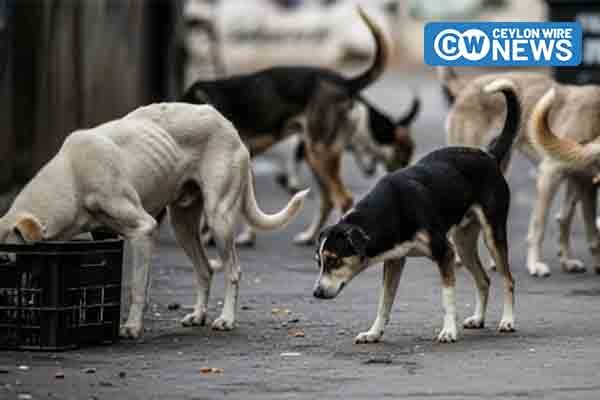
Campaigners are urging a coordinated, humane programme based on vaccination, sterilisation, responsible feeding and local-government accountability.
Animal-welfare organisations and activists have called for a national action plan to manage Sri Lanka’s community-dog population humanely and reduce conflict with residents.
The appeal follows public debate over whether feeding street dogs contributes to population growth. Welfare groups argue that feeding alone is not the central cause and that unmanaged breeding, abandonment, weak vaccination coverage and fragmented local-authority programmes are more important drivers.
A credible national plan should combine mass rabies vaccination, sterilisation, registration, responsible ownership, waste control and clear procedures for handling aggressive or injured animals.
Feeding programmes should operate with hygiene standards, fixed locations and coordination with sterilisation and vaccination teams. Unregulated feeding near schools, hospitals, markets or busy roads can create avoidable safety and sanitation problems.
The Government should define the roles of the Animal Production and Health Department, Health Ministry, local councils, veterinary bodies and welfare organisations. District-level targets and publicly reported outcomes would allow the programme to be evaluated.
Humane population management is also essential to Sri Lanka’s target of eliminating human deaths from dog-mediated rabies by 2030.