
Airfares between Asia and Europe have surged sharply following the closure of key Middle Eastern aviation hubs amid the escalating U.S.–Israel conflict with Iran, with airline websites showing many popular routes fully booked for days.
Major Gulf hubs, including Dubai International Airport — the world’s busiest international airport — remained closed for a fourth consecutive day on Tuesday. The airport typically handles more than 1,000 flights daily, and its shutdown has significantly reduced capacity on high-demand routes such as Australia–Europe, where Emirates and Qatar Airways normally command a large market share.
Surge in Travel Disruptions
Australia’s Flight Centre Travel Group reported a 75% surge in calls to its stores and emergency assistance lines since the crisis began. Global Managing Director Andrew Stark said teams are working around the clock to assist affected customers.
Travellers are increasingly rerouting via China, Singapore, other Asian hubs, and even North America through cities such as Houston.
Costlier Alternative Routes
Airlines offering non-stop Asia–Europe services are bypassing closed Middle Eastern airspace by flying:
-
North via the Caucasus and Afghanistan
-
South via Egypt, Saudi Arabia and Oman
However, these longer routes increase flight times and fuel consumption. With oil prices already climbing, operating costs are rising — a factor that may keep ticket prices elevated in the coming months.
Subhas Menon, head of the Association of Asia Pacific Airlines, warned that prolonged disruption could undermine airline profitability and affect global connectivity.
Airlines Seeing Short-Term Gains
According to Alton Aviation Consultancy, carriers operating outside the affected region may benefit from shifting demand. These include:
-
Cathay Pacific
-
Singapore Airlines
-
Turkish Airlines
Checks of airline booking systems showed limited availability and steep fares on Asia–London routes:
-
Cathay Pacific showed no available economy seats on Hong Kong–London routes until mid-March, with one-way fares exceeding HK$21,000 before dropping later in the month.
-
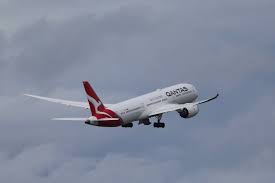
Qantas displayed no economy seats on Sydney–London routes via Perth or Singapore until March 17, with fares above A$3,000.
-
Thai Airways reported fully booked Europe-bound flights, with economy fares exceeding 70,000 baht on certain dates.
-
Taiwan’s EVA Air confirmed a surge in Europe-bound bookings.
-
Air China showed limited availability, with some near-term options restricted to high-priced business-class seats.
Broader Impact
The closure of Gulf airspace has disrupted one of the world’s most critical transit corridors. If the conflict persists, analysts warn that prolonged capacity constraints and higher operating costs could keep fares elevated and affect global travel flows well beyond the immediate crisis.
Airlines and passengers alike are now closely watching geopolitical developments, as the duration of airspace closures will determine the scale and persistence of fare increases.