
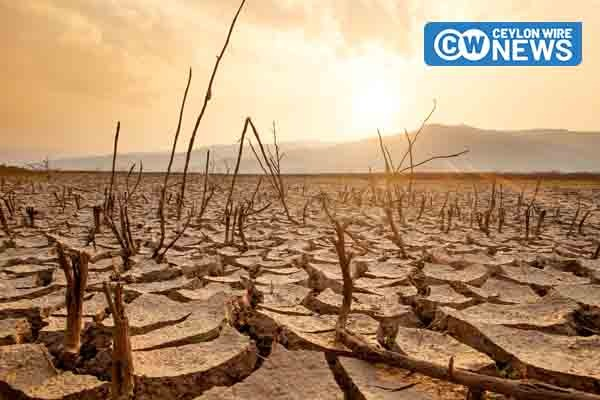
The Department of Meteorology has warned that Sri Lanka could experience a significant reduction in rainfall during July and August due to the developing El Niño climate phenomenon, raising concerns over possible drought conditions in the coming months.
According to the United Nations World Meteorological Organization (WMO), there is an 80 percent probability of El Niño conditions developing between June and August, with the likelihood expected to increase to 90 percent thereafter.
Commenting on the potential impact on Sri Lanka, Acting Director General of Meteorology Ajith Wijemanne stated that El Niño conditions generally last between nine and twelve months and could continue until February next year if current projections materialize.
He further noted that there is around a 40 percent probability of the climate pattern strengthening into a severe El Niño event during the period from November through January.
Wijemanne stressed that sectors including health, agriculture, irrigation, energy, and water resource management should closely monitor developments and prepare accordingly.
Meanwhile, the World Meteorological Organization has warned that warming ocean temperatures associated with El Niño are likely to contribute to higher global temperatures in the coming months.
International forecasts suggest the phenomenon could trigger drought conditions in parts of Australia, Central America, Indonesia, and South Asia, while increasing the likelihood of severe cyclones in parts of the Pacific region.
Several global weather agencies have also projected unusually hot and dry conditions across Asia during the second half of 2026.
Experts warn that the expected climate conditions could create additional pressure on agriculture and food security, particularly at a time when farmers are already facing challenges linked to fertilizer supply concerns and rising fuel costs.
Authorities have urged greater preparedness and early planning to reduce the impact of possible drought conditions and associated disruptions.