
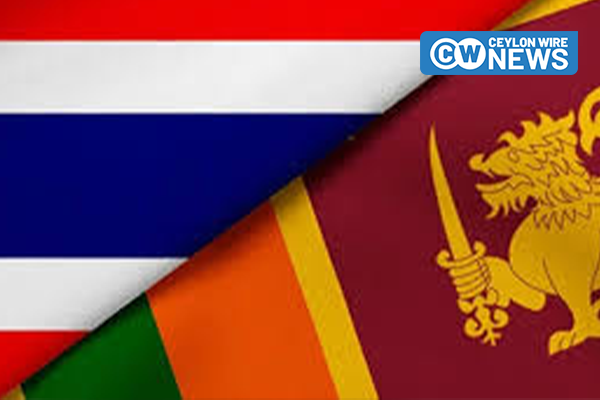
Thailand has approved a new labour cooperation framework with Sri Lanka that could open the way for the recruitment of up to 10,000 Sri Lankan workers, establishing a formal and regulated channel for employment in Thailand.
The Thai Cabinet has approved a Memorandum of Understanding (MoU) on Labour Cooperation and an agreement governing the employment of Sri Lankan workers in Thailand.
The framework is intended to help Thai employers address labour shortages while strengthening legal protections and welfare safeguards for migrant workers.
Under the agreement, recruitment will follow procedures covering worker selection, medical examinations, employment contracts, work permits and repatriation.
Workers will be required to sign employment contracts directly with their employers before travelling to Thailand. The contracts must specify details including the number of workers required, qualifications, nature of employment, salaries and other conditions.
Sri Lankan workers will also have to undergo health examinations and obtain health insurance in accordance with Thai law before starting employment.
Upon arrival, workers must obtain the relevant work permits and will only be permitted to work for the authorised employer and in the occupation stated in their work authorisation.
Employment contracts will initially be valid for two years and may be extended for a further period of up to two years. Employers will be responsible for the cost of returning workers to Sri Lanka when their employment ends.
The labour cooperation MoU will also facilitate the exchange of information on labour markets, employment laws, skills development and productivity. Both countries are expected to strengthen cooperation to combat illegal recruitment and human trafficking.
The agreement includes a non-discrimination provision under which Sri Lankan workers will receive protection under Thai labour law on the same basis as Thai workers. They will also be entitled to the wages and benefits specified in their employment contracts and have access to legal mechanisms to resolve employment disputes.
The Sri Lankan Cabinet has separately approved the conclusion of the proposed labour cooperation MoU and employment agreement with Thailand for an initial period of five years.
The two governments expect the framework to establish a transparent recruitment system while reducing dependence on illegal recruitment channels and the risks of trafficking and exploitation.
However, the approval does not mean that all 10,000 workers will be recruited immediately. Further arrangements, including eligible occupations, recruitment procedures and specific job vacancies, will have to be determined by the relevant authorities.