

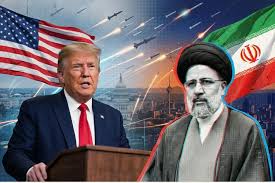
Iran has reportedly sent a new peace proposal to the United States through Pakistan as efforts continue to prevent a renewed escalation in the Middle East conflict.
According to reports, the proposal contains terms similar to earlier offers that had previously been rejected by Donald Trump.
However, a senior Iranian official told Reuters that Washington has shown greater flexibility on several issues during recent discussions.
A Pakistani source confirmed that Islamabad has continued acting as an intermediary between the two sides following the only formal peace talks held last month.
The source, however, warned that negotiations remain difficult, stating that both sides “keep changing their goalposts.”
According to the Iranian proposal:
- Priority would be given to securing a ceasefire
- Efforts would focus on reopening the Strait of Hormuz
- Maritime sanctions would be eased
- More sensitive nuclear issues would be postponed for later negotiations
The Iranian source also claimed that the United States had agreed in principle to release part of Iran’s frozen overseas assets, although Tehran is reportedly demanding the release of all funds.
In addition, Washington is said to have shown more flexibility regarding limited peaceful nuclear activities supervised by the International Atomic Energy Agency.
Iranian media outlet Tasnim News Agency separately reported that the United States may temporarily waive certain oil sanctions on Iran while negotiations continue, although Iranian officials have not officially confirmed the claim.
A fragile ceasefire remains in effect following six weeks of conflict triggered by U.S.-Israeli strikes on Iran.
However, tensions remain high.
President Trump recently warned that “the clock is ticking” for Iran and reportedly plans to meet national security advisers to discuss possible military options if talks fail.
Meanwhile, Iranian Foreign Ministry spokesperson Esmaeil Baghaei stated that Tehran remains prepared for all scenarios and warned that Iran would respond strongly to any further escalation.
The conflict has had major global economic implications, particularly due to disruptions around the Strait of Hormuz, through which roughly one-fifth of the world’s oil and liquefied natural gas normally passes.