
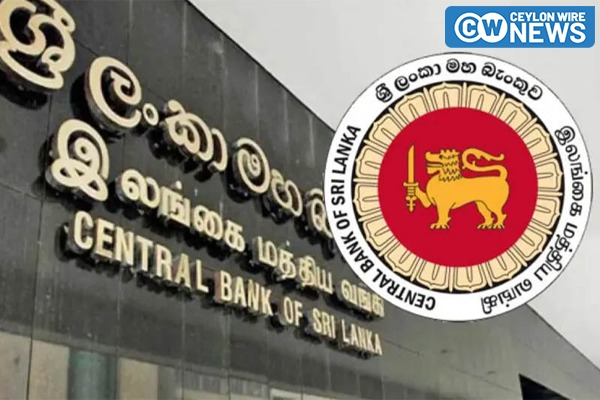
The Central Bank of Sri Lanka (CBSL) has decided to maintain the Overnight Policy Rate (OPR) at 8.75% following the latest meeting of its Monetary Policy Board held yesterday (22).
In a statement, the CBSL said the decision was made after carefully assessing recent developments and the outlook for both the domestic and global economy.
The Central Bank noted that renewed tensions in the Middle East have pushed up global commodity prices, particularly fuel, posing risks to global economic growth and creating potential spillover effects for Sri Lanka.
Headline inflation rose to 6.8% year-on-year in June 2026, mainly driven by higher domestic energy and food prices. The CBSL expects inflation to remain above its 5% target in the short term before gradually easing, while core inflation is also projected to remain close to the target over the medium term.
Although the recent increase in inflation has largely been driven by supply-side factors, the Central Bank said domestic demand has also strengthened. However, it expects the monetary policy tightening introduced in May 2026, together with other government measures, to gradually slow credit growth and reduce demand pressures.
The CBSL also noted that pressures on the external sector have eased somewhat despite continued uncertainty stemming from the Middle East conflict. Since April, the current account has recorded a deficit due to higher fuel import costs and slower tourism earnings, although recent policy measures are expected to reduce import demand, including for motor vehicles.
Meanwhile, workers’ remittances have remained strong throughout the year, while Sri Lanka’s Gross Official Reserves stood at USD 6.45 billion at the end of June 2026 despite ongoing foreign debt repayments. The Central Bank added that the Sri Lankan rupee has shown signs of stabilising in recent weeks.
The CBSL said it will continue to closely monitor both domestic and international developments and remains prepared to take further policy action if necessary to ensure inflation returns to its 5% target while supporting sustainable economic growth.