
Experts say scientifically sound methods, transparent communication and culturally sensitive handling of remains are essential to credible post-conflict investigations.
Sri Lanka’s post-conflict mass-grave investigations require stronger forensic capacity, consistent scientific procedures and transparent engagement with affected families, according to an analysis published by The Morning.
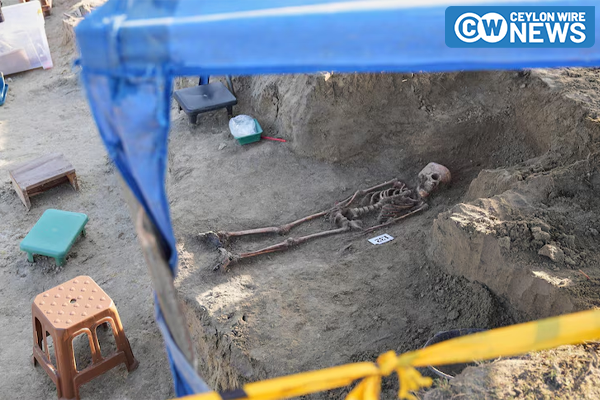
The report emphasises the importance of multidisciplinary teams involving forensic pathologists, archaeologists, anthropologists, radiologists and investigators. Careful site mapping and non-invasive techniques can help establish the boundaries of suspected graves before excavation begins.
Evidence handling is particularly important because disturbed remains, incomplete records and long delays can make identification and cause-of-death analysis difficult. Clear chains of custody and detailed documentation are necessary if findings are later presented in court or reviewed by independent experts.
Families and communities also require regular, accurate communication. Authorities should explain what can and cannot be concluded from the evidence and avoid creating expectations that scientific testing may not be able to meet.
The analysis also calls for flexible funding so that excavations are not interrupted after work begins. Sudden pauses can damage sites, increase costs and weaken public confidence.
(Source : The Morning)