
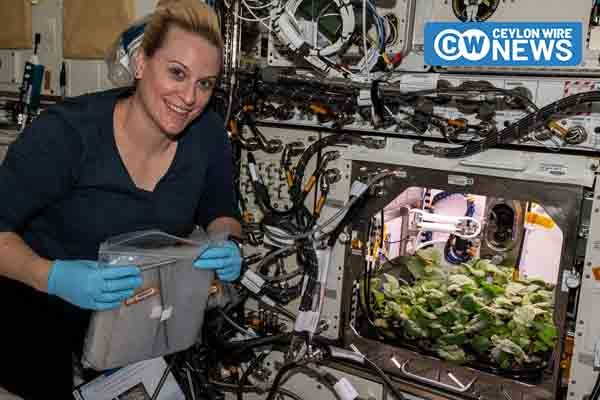
Astronauts aboard the International Space Station (ISS) have successfully grown ‘Red Russian’ kale and ‘Wasabi’ mustard as part of a scientific study aimed at developing sustainable food production systems for future long-duration space missions.
According to the ISS, the experiment examined how plants grow in different locations throughout the space station rather than in a dedicated plant growth facility, helping researchers better understand crop cultivation in microgravity.
“This research will help astronauts grow nutritious new foods for future space missions to the Moon, Mars and beyond,” the International Space Station said in a post shared on its official Instagram account.
The study is considered an important step towards supporting long-term human space exploration, as astronauts on future missions will require sustainable food sources and biological systems capable of recycling oxygen and carbon dioxide.
Researchers also confirmed that both crops germinated quickly and grew successfully in microgravity, providing valuable insights into the development of space-based agricultural systems.
The achievement has attracted widespread attention on social media, highlighting another milestone in efforts to support future human missions to the Moon, Mars and beyond.