

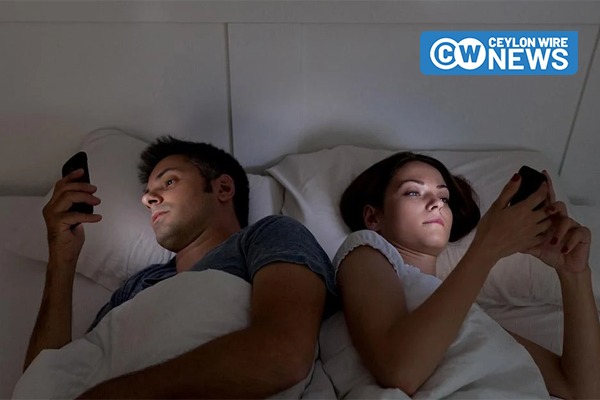

Excessive smartphone use has become a growing concern, particularly among younger people, with many adults admitting that they struggle to reduce the time they spend on their devices.
A survey conducted by the Pew Research Center in May and June 2026 found that slightly more than half of American adults believe they spend too much time on their smartphones. Around one-third described their usage as moderate, while only 3% said they used their phones very little.
Younger adults were more likely to acknowledge excessive smartphone use. Around 70% of those under 30 said they spent too much time on their phones. The figure was approximately two-thirds among adults aged 30 to 49, around half among those aged 50 to 64, and roughly one-quarter among people aged 65 and older.
The survey also found that 45% of adults had tried to reduce their smartphone use during the previous 12 months, while 46% had made no such attempt. Among those who believed they used their phones excessively, 62% had tried to cut down.
However, reducing screen time proved difficult for many. Only 25% of those who attempted to limit their usage said they had been extremely or very successful. Another 52% described their efforts as somewhat successful, while 23% said they had been unsuccessful.
Adults under 50 were also more likely than older people to have attempted to reduce their smartphone use.
Despite these concerns, smartphones remain a constant part of everyday life. Approximately one in four American adults said they used their phones almost constantly, while another 60% reported using them several times a day.
Constant smartphone use was particularly common among younger adults. Around 42% of those under 30 reported using their phones almost constantly, compared with 33% of those aged 30 to 49, 21% of those aged 50 to 64 and 9% of adults aged 65 and older.
The survey also examined how smartphones affect different aspects of daily life, including access to information, personal relationships, productivity, mental well-being and sleep.
Around three-quarters of respondents said smartphones helped them access information, while approximately half believed the devices helped them maintain relationships and stay connected with others.
Opinions were more divided on the effects of smartphone use on productivity and mental well-being, with respondents reporting both positive and negative impacts.
Sleep emerged as the area most negatively affected. Around 41% of adults said smartphone use had a negative impact on the amount of sleep they get, while only 5% said it helped them sleep. Nearly half reported that smartphone use had no effect on their sleep.
The impact was particularly noticeable among younger adults. Around 62% of respondents under 30 said smartphone use negatively affected their sleep. Approximately half of those aged 30 to 49 reported a similar experience.
Younger adults were also more likely to say that smartphone use negatively affected their productivity. In addition, people under 50 were more likely than older age groups to report negative effects on their mental well-being.