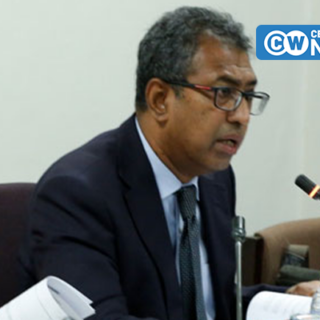



Sri Lankans could face higher prices for longer than previously anticipated, with Central Bank Governor Dr. Nandalal Weerasinghe warning that inflation is expected to rise to around 9% and remain elevated in the coming months.
The warning came as the Central Bank announced a fresh tightening of monetary policy, raising its key policy interest rate to 9% in an effort to bring inflation back towards its 5% target.
Speaking after a Monetary Policy Board meeting, Weerasinghe said inflation had increased more sharply than expected, prompting the Central Bank to revise its earlier projections.
Previously, the bank expected inflation to peak below 8% before gradually declining towards the 5% target in the first half of 2027. However, its latest projections indicate that inflation will remain around 9% in the near term.
The Governor stressed that controlling inflation remains the Central Bank’s primary responsibility, as continued price increases reduce household purchasing power and affect living standards, savings and overall economic stability.
He identified global developments, particularly prolonged tensions in the Middle East and persistently high oil prices, as major factors contributing to rising prices. International energy costs had been expected to stabilise sooner, but their impact has continued longer than anticipated, adding to domestic inflationary pressures.
Alongside the interest rate increase, the Central Bank has taken further measures to reduce excess liquidity in the banking system. Officials said commercial banks currently hold an estimated Rs.450 billion in surplus liquidity.
As part of the latest measures, the Statutory Reserve Ratio (SRR), which determines the share of commercial bank deposits that must be maintained with the Central Bank, has been increased from 2% to 3%.
According to Weerasinghe, the change is expected to withdraw nearly Rs.150 billion from the banking system, helping to limit excessive credit expansion and ease demand-driven inflationary pressures.
He said the decision was not intended to restrict economic activity but to prevent high inflation from becoming firmly established in public expectations. Once households and businesses begin expecting prices to rise continuously, bringing inflation under control becomes more difficult and costly.
Despite the tighter monetary policy, the Central Bank expects inflation to gradually ease during 2027 and move closer to its 5% target in the second half of the year.
However, the Governor’s latest warning indicates that inflationary pressures are proving more persistent than previously expected, requiring stronger measures to protect households and maintain economic stability.