

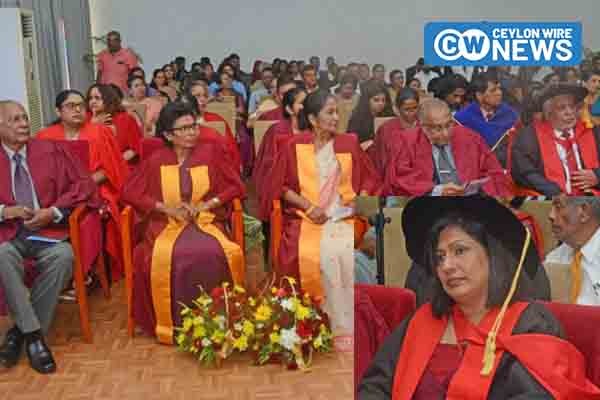
Nearly 18 percent of Sri Lanka’s population is aged 60 and above, reflecting a clear trend of population ageing, according to Manori Weeratunga, President of the Population Association of Sri Lanka.
She made these remarks while addressing the Annual Population Conference organized by the association at the Sirimavo Bandaranaike Memorial Exhibition and Conference Hall in Colombo.
Conference on Population Challenges
Held under the theme “Population Dynamics: Challenges and Opportunities,” the conference aimed to promote evidence-based dialogue to support national development.
The event brought together scholars, policymakers, development professionals, researchers and students to discuss key demographic trends affecting Sri Lanka and the broader region.
Urgent Need to Strengthen Health Systems
Professor Weeratunga noted that Sri Lanka’s population structure is undergoing rapid transformation, highlighting the urgent need to strengthen population health management systems.
While the country has achieved progress in increasing life expectancy, she stressed that the focus must now shift toward improving healthy life expectancy and reducing the growing burden of non-communicable diseases (NCDs).
She also pointed to gaps in the adoption of healthy lifestyles, early disease detection and regular health surveillance among the public.
According to her observations, many individuals seek medical attention only after severe symptoms appear, which places additional pressure on the healthcare system.
Call for Health and Policy Reforms
Professor Weeratunga called for:
-
Stronger disease detection mechanisms
-
Greater digital integration of health services
-
A lifestyle-based approach to healthcare delivery
She also noted that fertility rates in Sri Lanka have declined, with younger generations increasingly delaying or reducing childbearing.
Global Perspective
Addressing the conference, Phuntsho Wangyal of the United Nations Population Fund (UNFPA) highlighted emerging demographic challenges and emphasized the need for strategic policy responses to address population changes.
Experts at the conference stressed that proactive planning and policy reforms will be essential to manage Sri Lanka’s demographic transition and ensure sustainable national development.