
Nalinda Jayatissa, Minister of Health and Mass Media, has been appointed Chairman of the Parliamentary Committee tasked with conducting a comprehensive study into the lack of preparedness to face Cyclone Ditwah last year.
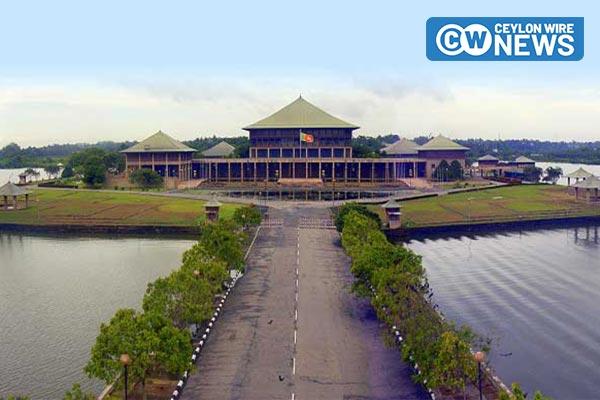
The members of the committee were announced by the Speaker of Parliament, Jagath Wickramaratne, at the commencement of today’s parliamentary sitting.
Committee Members
In addition to Minister Jayatissa, the committee comprises the following members:
-
Deputy Ministers Prasanna Gunasena, Anton Jayakody, and Aruna Jayasekara
-
Members of Parliament Anuradha Jayaratne, Hector Appuhamy, Rohini Kumari Wijerathna, MKM Aslam, Anushka Thilakarathne, Kanthasamy Prabhu, Ruwan Mapalagama, and Pathmanathan Sathiyalingam
Background to the Committee
On January 21, a group of opposition Members of Parliament moved a motion to appoint a Select Committee of Parliament to investigate the lack of preparedness in responding to Cyclone Ditwah.
The motion was presented by the Chief Opposition Whip, Gayantha Karunathilleka.
According to the motion, the loss of lives and property caused by Cyclone Ditwah — considered one of the most severe disasters in Sri Lanka’s history — has not yet been fully assessed. The Select Committee will therefore conduct a comprehensive review of the preparedness measures and the sequence of events related to the disaster.
Powers and Responsibilities
The Chair and members of the committee were appointed by the Speaker under the provisions of Standing Order 101 of Parliament.
The committee will have the authority to:
-
Determine its quorum
-
Summon individuals to provide evidence
-
Request documents and official records
-
Receive both written and oral testimony
-
Conduct detailed inquiries into the matter
The opposition motion further states that the Select Committee must submit its report to Parliament within three months from its first meeting, or within another period determined by Parliament.
The committee is expected to present recommendations aimed at improving disaster preparedness and response mechanisms in the future.