

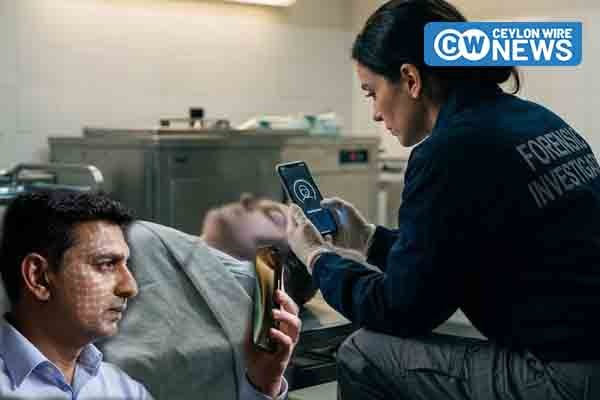
Modern facial recognition systems such as Apple Face ID are designed not only to recognize a face, but also to verify that the person is alive.
Because of this, simply presenting a photo, mask, or even the face of a deceased person will generally not work under normal conditions.
Some of the key reasons include:
Liveness Detection
Advanced systems use “liveness” checks to confirm that a real living person is present.
For example:
- Face ID usually requires the user’s eyes to be open and directed toward the phone.
- Sensors analyze depth and facial structure rather than relying on a simple image match.
- Some systems can detect subtle facial movements and other biological indicators.
Physical Changes After Death
After death, facial tissues gradually change and muscles stiffen due to rigor mortis. These changes can affect facial positioning and eye alignment, making biometric recognition unreliable.
Fingerprint Security Measures
Modern fingerprint sensors often rely on the electrical conductivity of living skin.
Because the skin rapidly loses its natural electrical properties after death, fingerprint scanners may fail to recognize the fingerprint.
The post also notes that companies such as Apple and Google now provide features like “Legacy Contact,” allowing users to legally authorize trusted individuals to access certain account data after death if configured in advance.
The explanation was originally shared in a social media post by Haritha Dahanayake.