
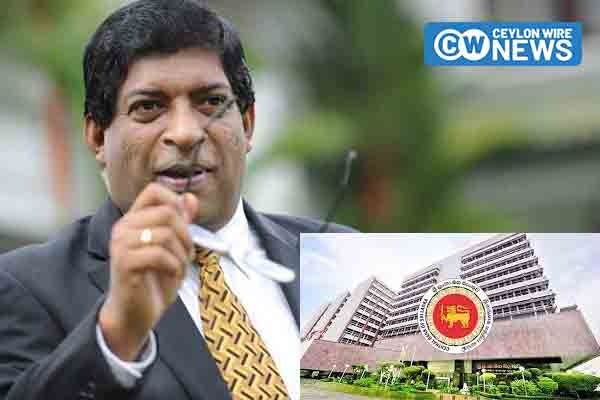
Ravi Karunanayake has questioned whether the independence granted to the Central Bank of Sri Lanka has been matched by accountability, alleging that the institution avoids responsibility when problems arise.
Speaking to the media, the former United National Party Deputy Leader said concerns remain over the direction in which the country’s financial management is heading under an independent Central Bank framework.
According to Karunanayake:
- Over the past two years, the Central Bank has repeatedly shifted blame toward politicians
- Economic and financial problems should not always be politicized
- Institutional independence should also come with responsibility and accountability
The MP argued that:
“Even though the Central Bank is independent, it does not take responsibility when problems arise.”
Karunanayake specifically referred to:
- The alleged financial issues surrounding National Development Bank
- Currency pressures and the depreciation of the Sri Lankan rupee
- Broader financial sector concerns
He alleged that:
- The Central Bank has not fully accepted responsibility regarding banking-sector problems
- Global factors are frequently used to explain local financial difficulties
- Accountability standards applied to other public officials should also apply to monetary authorities
The MP further questioned:
- Why institutional independence is necessary if responsibility is not equally accepted
- Whether Central Bank management should face greater scrutiny for policy outcomes
The comments add to ongoing debate in Sri Lanka regarding:
- Central Bank independence under post-2023 reforms
- Financial sector oversight
- Monetary policy effectiveness
- Institutional accountability during economic recovery
The Central Bank has maintained that recent policy measures—including tighter monetary policy, market interventions, and macroprudential regulations—are aimed at stabilizing inflation, protecting reserves, and strengthening financial system resilience.