

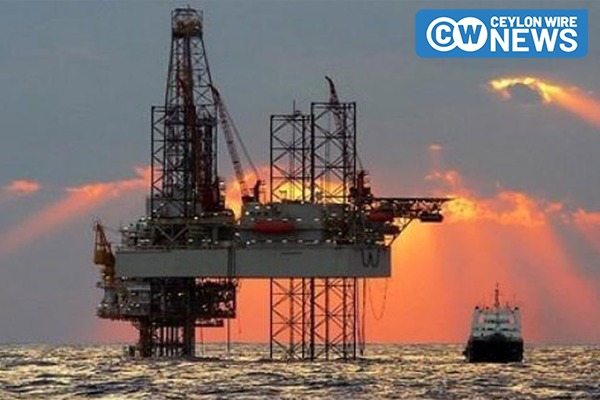
Global oil prices rose on Monday as shipping activity through the Strait of Hormuz slowed and early discussions between U.S. and Iranian officials under an interim peace agreement encountered difficulties, raising fresh concerns about global energy supplies.
Brent crude futures gained 54 cents, or 0.67 percent, to reach US$81.11 per barrel in early trading, after climbing as high as US$82.30 at the market open.
Meanwhile, U.S. West Texas Intermediate (WTI) crude futures rose US$2.02, or 2.64 percent, to US$78.62 per barrel ahead of the contract’s expiry. The more actively traded August contract increased by US$1.43 to US$77.28 per barrel.
According to shipping data, the number of vessels transiting the Strait of Hormuz declined significantly on Sunday after Iran announced that it had once again restricted passage through the strategic waterway, citing alleged violations of the interim peace agreement by the United States and Israel.
Market analysts noted that expectations of a swift reopening of the Strait may have been overly optimistic, with ongoing geopolitical tensions continuing to create uncertainty for global energy markets.
The Strait of Hormuz is one of the world’s most critical energy shipping routes, handling a significant share of global oil and liquefied natural gas exports.
The latest developments come as U.S. President Donald Trump warned that military action against Iran could resume if Tehran fails to comply with the terms of the interim agreement. At the same time, U.S. Vice President JD Vance held the first round of discussions with Iranian officials under the framework of the peace deal.
Iran has also accused the United States of failing to uphold commitments related to reducing hostilities in Lebanon, where renewed violence has raised concerns about the durability of the ceasefire agreement involving Hezbollah.
Analysts say continued instability in Lebanon and uncertainty surrounding the Strait of Hormuz remain significant risks to global energy markets.
Despite the recent increase in prices, oil markets remain influenced by expectations of increased supply. Prices fell by more than 8 percent last week amid hopes that oil shipments stranded in the Gulf region would resume and that sanctions on Iranian oil exports could eventually be eased as part of broader negotiations.
Iranian officials stated that more than 25 million barrels of oil have moved through the region since the easing of some restrictions earlier this month.
In addition, major regional producers, including the United Arab Emirates, Kuwait, and Iraq, have reportedly offered increased oil supplies to international customers in recent days.
Iraq has also announced plans to gradually increase crude oil production to between 4.2 million and 4.3 million barrels per day.
Market observers note that oil prices are likely to remain highly sensitive to developments in the Middle East, the progress of U.S.-Iran negotiations, and the future status of the Strait of Hormuz in the weeks ahead.
Source: Reuters