
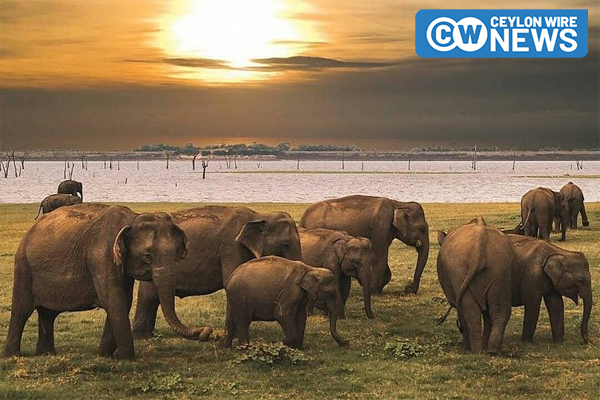
Minister of Environment Dr. Dhammika Patabendi has announced that a national action plan aimed at minimizing the human-elephant conflict will be submitted to the President within the next three months.
According to the Minister, the plan is currently being formulated by the Action Committee for Managing the Human-Elephant Conflict and is expected to outline a comprehensive strategy to address one of Sri Lanka’s most pressing wildlife conservation and public safety challenges.
Dr. Patabendi noted that the districts of Anuradhapura, Kurunegala, and Puttalam continue to record the highest incidence of human-elephant conflict in the country.
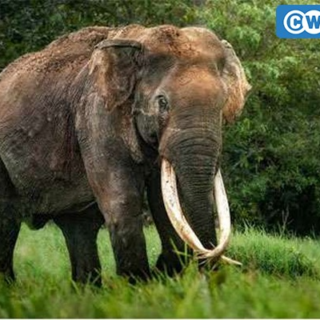
The Minister highlighted the alarming impact of the conflict on both wildlife and human communities. Official data indicate that 141 wild elephants died as a result of human-elephant conflict in 2025. During the period elapsed in 2026, the number of elephant deaths has already risen to 169.
Human casualties have also increased. According to the Ministry, 51 people lost their lives due to human-elephant conflict in 2025, while 57 deaths have been reported so far this year.
The proposed national action plan is expected to focus on strengthening existing mitigation measures, improving habitat management, enhancing community protection, and promoting sustainable coexistence between humans and elephants.
Authorities have repeatedly emphasized that human-elephant conflict remains one of the most significant environmental and social challenges facing Sri Lanka, requiring coordinated action from government institutions, conservation agencies, local communities, and other stakeholders.
The Ministry of Environment expressed confidence that the new action plan will provide a more structured and effective approach to reducing both human and elephant fatalities while safeguarding the country’s wildlife heritage and rural livelihoods.