
The Government of Sri Lanka is expected to introduce several additional measures to stabilize the Sri Lankan Rupee and reduce unnecessary foreign exchange spending amid ongoing economic pressure linked to conflicts in West Asia, according to a report by The Sunday Times Sri Lanka.
Citing a senior government official, the report stated that authorities are considering a return to some of the import-control measures implemented during the 2022 economic crisis.
Among the proposals under discussion are:
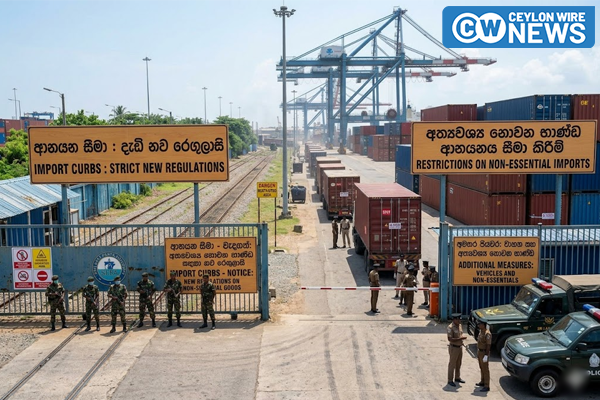
- Restricting imports of non-essential goods
- Extending the recently imposed 50% surcharge on vehicle customs duties for an additional three months
- Tightening vehicle financing regulations
The government reportedly believes these measures could help reduce pressure on foreign exchange reserves and slow demand for U.S. dollars.
The official said the administration is also considering revising loan-to-value limits for vehicle purchases, which currently stand at:
- 70% for commercial vehicles
- 50% for private vehicles
According to the report, nearly US$2 billion has been spent on vehicle imports since February last year.
Authorities are also reportedly exploring restrictions on imports similar to those imposed during the 2022 financial crisis, when the Central Bank of Sri Lanka restricted 367 categories of non-essential goods due to severe foreign exchange shortages.
Those earlier restrictions covered items such as:
- Household appliances
- Clothing
- Sports goods
- Hair and body care products
- Certain food and beverage imports
- Alcoholic beverages
The report further stated that discussions are ongoing with the International Monetary Fund regarding the proposed measures.
According to government sources, the country’s monthly fuel import bill has risen sharply:
- From around US$100 million previously
- To approximately US$522 million by May 2026
This increase has reportedly been driven by:
- The weakening rupee
- Rising global fuel prices linked to geopolitical tensions
Officials also alleged that some exporters are delaying the repatriation or conversion of export earnings into rupees while waiting for the currency to weaken further.
The government is therefore considering legislation that would require export earnings to be repatriated or converted into Sri Lankan rupees within one month.
Authorities believe such measures could help improve foreign exchange liquidity and stabilize the currency market in the coming months.