
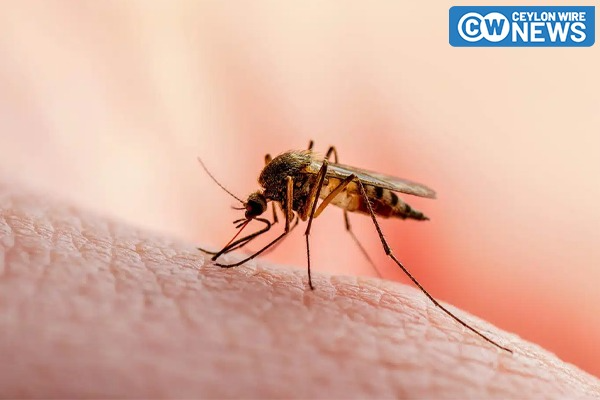
Health authorities have warned that an emerging malaria-linked parasite capable of infecting both humans and animals could pose a significant challenge to Sri Lanka’s malaria control efforts.
Director of the National Malaria Control Campaign, Dr. Prasanga Serasinghe, stated that 34 malaria cases were reported in Sri Lanka last year, while seven cases have been identified so far this year.
According to Dr. Serasinghe, the newly highlighted concern stems from a parasite with the ability to infect multiple species, making disease control significantly more complicated than traditional malaria transmission patterns.
“Although this parasite has existed for more than a century, its ability to infect animals makes the current situation more concerning. If the disease spreads widely, controlling it will become extremely difficult because both human and animal populations would need to be addressed,” he said.
Health officials fear that this development could threaten the progress Sri Lanka has achieved in malaria prevention and elimination efforts over recent decades.
Dr. Serasinghe stressed the importance of strengthening disease surveillance systems, increasing public awareness, and implementing preventive measures urgently to minimize the risk of wider transmission.
Authorities say monitoring activities are continuing closely as health officials work to prevent any resurgence of malaria-related diseases in the country.