
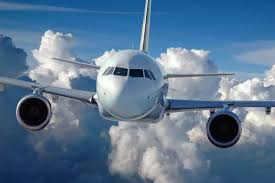
The ongoing conflict in the Middle East has triggered a sharp rise in global airfares, with the lowest-priced economy tickets now costing 24% more on average compared to a year ago, according to a new report by Teneo.
The report highlights that airspace restrictions caused by the conflict have forced airlines to reroute flights, significantly increasing fuel consumption. At the same time, disruptions to oil supplies have driven up the cost of jet fuel.
Fuel prices have surged dramatically in recent weeks, rising from around $85–$90 per barrel to between $150 and $200. Fuel can account for up to a quarter of an airline’s operating expenses, placing additional financial pressure on carriers.
The situation has also led to a reduction in capacity on long-haul routes typically served by Gulf-based airlines, whose operations have been heavily disrupted. Although some competing airlines have expanded services to cover these routes, overall seat availability remains below normal levels.
The impact on ticket prices has been particularly severe on routes between Europe and East Asia. According to the report, fares for a London-to-Melbourne flight in June have increased by 76% compared to last year, while flights from Hong Kong to London are up by 72%.
Meanwhile, geopolitical developments continue to influence the situation. Reports indicate that U.S. Vice President JD Vance is expected to travel to Pakistan for peace talks, although Iran has not confirmed its participation.
U.S. President Donald Trump has announced an extension of the ceasefire beyond its initial deadline, stating that more time is needed to reach a settlement. He indicated that there is limited time to secure a deal but suggested that an agreement could place Iran in a more favourable position.
Airlines Seek Government Support
Airlines operating from the United Kingdom have warned that if the conflict continues or intensifies, it could lead to further fare increases and flight reductions.
Industry representatives have called on the government to introduce measures to mitigate the impact of disruptions linked to the closure of the Strait of Hormuz. These include classifying delays and cancellations due to fuel shortages as “extraordinary circumstances,” which would exempt airlines from paying compensation—a move also supported by European carriers.
Airlines have also requested a reduction or suspension of Air Passenger Duty, along with a temporary pause in emissions trading schemes. Additional proposals include easing restrictions on night flights and relaxing slot allocation rules at congested airports to prevent airlines from losing valuable operating slots.
These requests were outlined in a confidential briefing submitted by Airlines UK, which represents major carriers such as EasyJet, Ryanair, British Airways, and Virgin Atlantic.
The group has also urged the government to consider “targeted refinery obligations,” which would prioritise jet fuel production over other petroleum products if necessary.
In response, the UK Department for Transport said airlines are not currently facing jet fuel shortages but confirmed that contingency planning is underway in coordination with suppliers and international partners.
Analysts note that differences in fuel standards are also complicating supply options. For instance, Jet A fuel—commonly produced in the United States—has a higher freezing point than Jet A1, the standard used in Europe, and is not currently permitted in the UK.
Despite these challenges, airlines continue to operate normally, though industry leaders stress the need for timely government intervention to maintain supply chains, minimise disruption to passengers, and support the aviation sector during a period of unprecedented fuel costs.
Source: BBC