
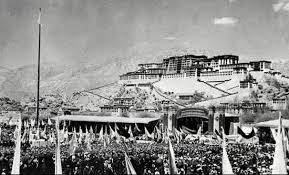
Today, Tibetans around the world mark the anniversary of the 1959 uprising in Lhasa — a day when ordinary men and women rose up against overwhelming force to defend their dignity, culture and faith. Sixty-seven years later, China continues its relentless campaign to dominate not only Tibetan land but also Tibetan consciousness. Yet despite the machinery of surveillance, propaganda and coercion, Beijing has failed to extinguish the Tibetan spirit.
China’s strategy has always gone beyond physical occupation. It seeks to reshape Tibetan identity itself — rewriting history, controlling monasteries, and attempting to sever the bond between Tibetans and the Dalai Lama. Textbooks are censored, language policies erode Tibetan instruction, and religious practice is monitored or restricted. The aim is clear: to engineer loyalty to the Chinese Communist Party by erasing the memory of resistance and the hope of freedom.
However, minds are not so easily colonized. Tibetan resilience rests on three pillars: faith, philosophy and collective memory. For faith and philosophy, Buddhism teaches endurance, compassion and the impermanence of suffering, values that have fortified Tibetans against despair. For collective memory, families pass down stories of the uprising, of exile and of survival. Oral history resists official erasure.
The Tibetan diaspora and allies worldwide amplify voices that Beijing cannot silence. Each March 10, demonstrations remind the world that Tibet’s struggle endures.
Attempts to control thought often backfire. The more Beijing insists on conformity, the more Tibetans cling to their identity. The very act of repression becomes proof of the truth Tibetans carry within them — that their culture and dignity are not gifts from the state, but inheritances from centuries of civilization.
March 10 is not only a day of mourning, but also of defiance. It is a reminder that oppression has limits: It can dictate behavior, but it cannot command belief. Each year, Tibetans reaffirm that their minds remain free, even if their bodies are constrained.
China’s failure after 67 years is a lesson in the futility of trying to dominate the human spirit. Tibetans endure because they know that identity is not granted by power, but preserved through memory, practice and faith. As long as March 10 is remembered, Beijing’s project of control will remain incomplete.
Khedroob Thondup is a former member of the Tibetan parliament-in-exile.