
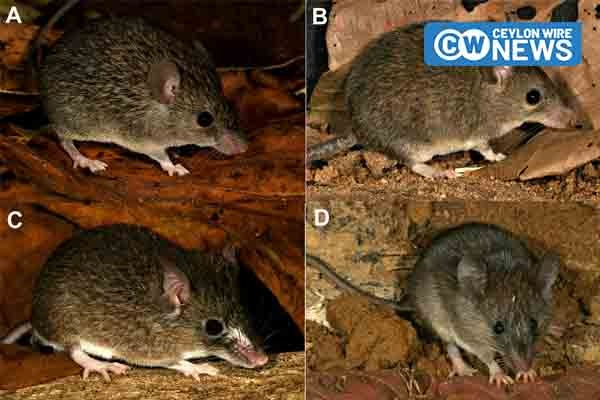
Scientists have identified a new species of mouse from the Knuckles Mountain Range, marking another important addition to Sri Lanka’s biodiversity record.
The newly discovered species has been scientifically named:
- Mus dumbara
- Common English name: Dumbara Valley spiny mouse
- Sinhala name: Dumbara Katu Heen Meiya
The discovery was made by researchers:
- Suyama H. Boyagoda
- Madhava Meegaskumbura
- Kelum Manamendra-Arachchi
Researchers confirmed the new species using a combination of:
- External body characteristics
- Skull structure analysis
- DNA sequencing and genetic testing
Unique Features of the Species
Scientists say the species differs from other mice through several distinctive features, including:
- A tail longer than the combined length of its head and body
- A moderately prominent axillary ridge
- A unique cranial opening extending to the middle of the first upper molar
Genetic studies showed that the species is highly distinct, displaying:
- More than 11% mitochondrial DNA difference from Sri Lanka’s other spiny mouse species:
- Mus mayori
- Mus fernandoni
Extremely Limited Distribution
The species was identified from only two specimens discovered during surveys in the early 2000s near:
- Puwakpitiya
Despite later surveys, no additional specimens have reportedly been found, leading scientists to suspect the species exists within an extremely restricted habitat range.
Researchers classified the species within the:
- Pyromys subgenus
Why This Discovery Matters
Scientists say the discovery highlights:
- The ecological importance of the Dumbara ecosystem
- Sri Lanka’s role as a biodiversity hotspot
- The importance of mountain ecosystems in species evolution
Researchers recommend further studies into:
- Population size
- Habitat requirements
- Conservation status
- Ecological behavior
The discovery adds further evidence that isolated mountain ecosystems in Sri Lanka continue to harbor previously unknown endemic species and remain globally important for conservation.