
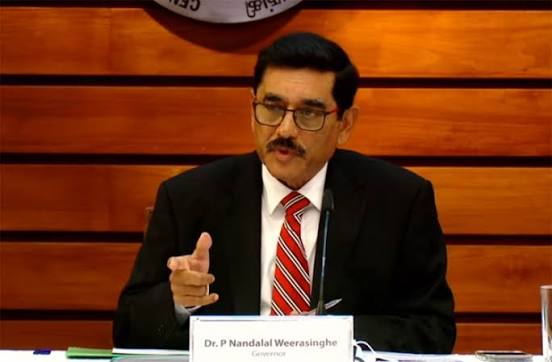
Central Bank Governor Dr. Nandalal Weerasinghe has stressed that Sri Lanka’s success in combating money laundering, terrorist financing and other financial crimes will depend on the effective enforcement of laws rather than their existence alone.
Speaking at the inaugural National Anti-Money Laundering Symposium organized by the Bar Association of Sri Lanka, Dr. Weerasinghe said Sri Lanka is preparing for its third Mutual Evaluation by the Asia-Pacific Group on Money Laundering (APG), which will assess both the country’s legal framework and its effectiveness in practice.
He noted that Sri Lanka had faced shortcomings in previous evaluations and stressed the importance of avoiding a repeat of those outcomes.
The Governor highlighted three recent legislative reforms aimed at strengthening the country’s anti-money laundering and counter-terrorism financing framework: the Prevention of Money Laundering (Amendment) Act No. 16 of 2026, the Financial Transactions Reporting (Amendment) Act No. 17 of 2026 and the Convention on the Suppression of Terrorist Financing (Amendment) Act No. 18 of 2026.
While describing the reforms as an important milestone, he emphasized that legislation alone would not be enough to satisfy international assessors.
“Legislation is one thing, but demonstrating effectiveness is much more important in the current assessment process,” Dr. Weerasinghe said, stressing that Sri Lanka must demonstrate that the laws are being properly implemented and producing results.
He also highlighted the importance of Suspicious Transaction Reports (STRs) in detecting and preventing crimes including drug trafficking, tax evasion, fraud, corruption and terrorist financing.
According to the Governor, the responsibility for reporting suspicious transactions extends beyond banks and financial institutions to designated non-financial businesses and professions, including lawyers, accountants and other service providers.
Dr. Weerasinghe expressed particular concern over compliance among legal professionals, revealing that lawyers, notaries and other independent legal professionals had submitted only two STRs between 2020 and 2026.
He described the figure as “alarmingly low” and warned that it could raise concerns during the upcoming APG evaluation.
The Governor called on all reporting entities to strengthen internal controls, improve customer due diligence and ensure suspicious transactions are reported promptly as required by law.
He also stressed that compliance should not be treated simply as a regulatory burden, but as a responsibility towards protecting the integrity and stability of Sri Lanka’s financial system and professional institutions.
With the next APG evaluation expected in the coming weeks, Dr. Weerasinghe urged regulators, financial institutions, businesses and professional bodies to strengthen their efforts to ensure Sri Lanka can demonstrate effective enforcement of its anti-money laundering framework.