
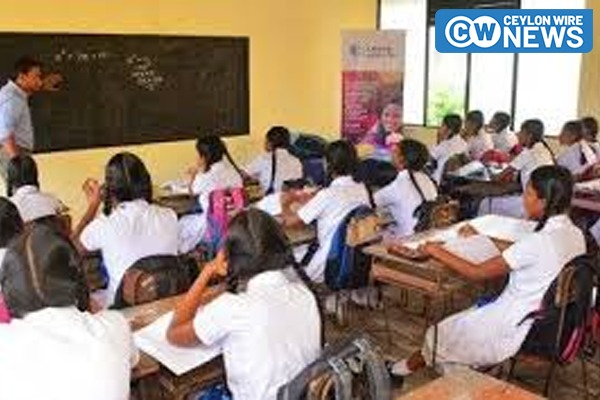
Sri Lanka’s latest Population and Housing Census highlights significant disparities in education, revealing that more than 400,000 adults have never attended school.
According to the final report by the Department of Census and Statistics Sri Lanka, a total of 400,511 individuals aged 25 and above have had no formal schooling. Of these, 136,168 are males and 264,343 are females, out of a total population of 13.87 million in that age group.
Education Levels Across the Population
The report shows that:
- 1.73 million have only primary education (Grades 1–5)
- 8.09 million have secondary education
- 1.65 million completed Grades 6–8
- 3.38 million completed Grades 9–10
- 3.05 million have GCE Ordinary Level or equivalent
- 2.67 million have GCE Advanced Level or equivalent
- 3.63 million have tertiary education
At higher levels:
- 780,958 hold a degree
- 89,598 have postgraduate diplomas
- 76,127 have postgraduate degrees
- 11,757 hold doctoral qualifications
The highest proportions of adults with no schooling were reported in Nuwara Eliya, Batticaloa, and Badulla, although the rates have declined compared to 2012.
Literacy Rates Continue to Improve
Sri Lanka’s overall literacy rate has reached 97.4%, with 97.9% for males and 97.0% for females, indicating a narrowing gender gap.
- Urban sector: 98.4%
- Rural sector: 97.6%
- Estate sector: 91.2%
Digital Literacy on the Rise
For the first time, the census assessed digital literacy:
- Computer literacy: 34.7%
- Digital literacy: 67.6%
Urban areas recorded the highest digital literacy (76.8%), while estate sectors lagged behind (50.2%).
District-wise, Colombo leads in computer literacy, followed by Gampaha and Kandy, while Mannar reported the lowest. Digital literacy exceeds 50% in all districts, though Nuwara Eliya records the lowest rate.
Key Insight
While Sri Lanka maintains high literacy and growing digital access, the data highlights persistent gaps in education access—especially among older populations and estate communities—raising concerns for inclusive development and workforce readiness.